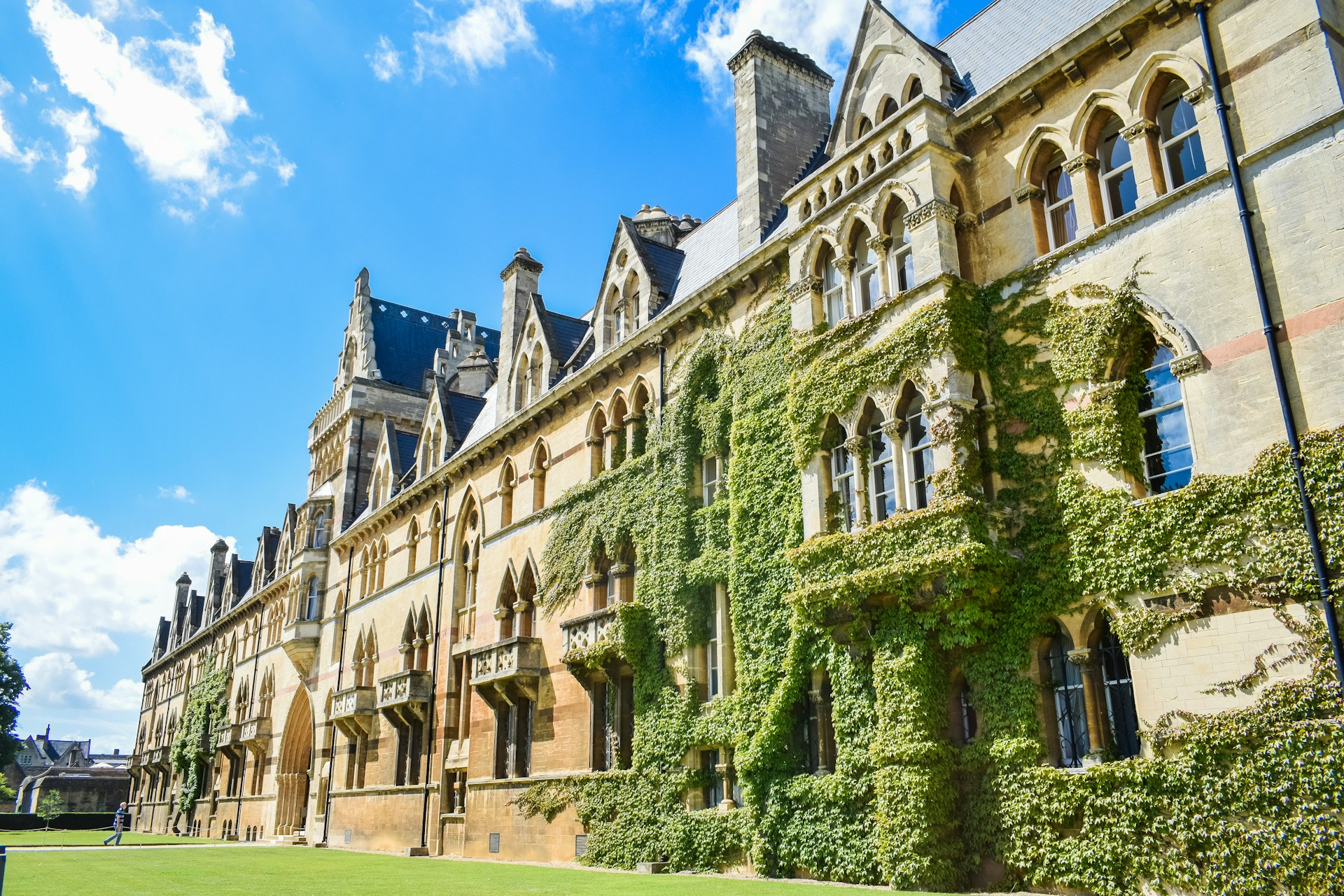
The academic world is witnessing a season of bold moves as top-tier institutions redefine their identities and showcase their global standing. From the historic corridors of Europe to the competitive campus landscapes of the United States, universities are proving that a name is much more than just a label—it is a legacy.
South Carolina Reclaims the USC Title
In a significant turn of events, the University of South Carolina has decided to scrap the “UofSC” logo it adopted back in 2019. The school is officially going back to its roots, reclaiming the “USC” acronym that alumni and stakeholders have been clamoring for. This wasn’t just a random change of heart. President Michael Amiridis, who hasn’t been back at the helm for very long, made it clear that the people have spoken. He noted that since his return, the feedback from the university community was loud and clear: they wanted their original identity back.
This branding reversal is a major win for the Palmetto State institution, which has faced its fair share of identity battles over the years. Many will remember the long-standing tug-of-war with the University of Southern California over the “SC” initials. That dispute almost reached the U.S. Supreme Court in 2010 before the high court declined to hear the appeal. While the athletic logos are staying exactly as they are, the new official spirit mark will now proudly display “1801,” honoring the year the university was established.
Barcelona’s Centuries of Academic Excellence
While South Carolina fine-tunes its brand, the University of Barcelona (UB) continues to cement its position as a global powerhouse of research and learning. Founded way back in 1450, this institution isn’t just the leading public university in Catalonia; it is a titan of Spanish higher education. The school’s reputation is backed by some serious numbers, sitting comfortably among the top 100 universities worldwide according to the Center for World University Rankings.
What makes the UB truly stand out is its exclusive membership in the League of European Research Universities (LERU). Out of all the universities in Spain, it is the only one invited to sit at the table with the 23 most prestigious research centers on the continent. Back in 2016, Times Higher Education even ranked it among the top 25 schools globally with a history spanning over 400 years. It is a place where deep tradition meets modern-day excellence.
A Hub for Global Talents
The scale of operations at the University of Barcelona is quite massive. We are talking about a student body that exceeds 44,000 undergraduates, with another 19,000 students pursuing masters, postgraduates, and PhDs. The campus is a melting pot of cultures, with 15% of the students coming from 122 different countries. With 74 bachelor’s degrees and over 150 official master’s programs, the variety of study options is immense.
Ultimately, the goal for an institution like UB is to produce world-class professionals. Whether they are researchers, entrepreneurs, or future leaders, the university is committed to ensuring its graduates can hold their own and compete at the highest level anywhere on the globe. As these institutions navigate the complexities of the 21st century, it is clear that whether through rebranding or maintaining centuries of excellence, the focus remains on staying relevant in a fast-changing world.